
The Hidden Carbon Footprint of Everyday Life:

Written by: Lanre C. Oluborode
Last Updated: May 21, 2025

When we think about carbon footprints, we often imagine big things—factories, cars, airplanes. But many everyday activities quietly add up to significant carbon emissions, contributing to climate change in ways we don’t always see or consider.
What Is a Carbon Footprint?
Your carbon footprint is the total amount of greenhouse gases (mainly CO₂) emitted directly or indirectly by your actions. This includes everything from the food you eat and the products you buy, to how you travel and use energy at home.
Everyday Activities with Hidden Carbon Costs
Here are some surprising sources of carbon emissions in daily life:
1. Streaming Videos and Using the Internet
Watching videos online, streaming music, and using social media all require huge data centres and networks powered largely by electricity—often from fossil fuels. Just one hour of HD video streaming can emit as much CO₂ as driving a couple of miles.
2. Food Choices
Meat and dairy have a much larger carbon footprint than plant-based foods. But even growing fruits and vegetables requires energy, water, and transportation—especially if they are out of season or imported.
3. Clothing and Fast Fashion
The production, transport, and disposal of clothes contribute massively to emissions. Synthetic fabrics often rely on fossil fuels, and many garments are worn only a few times before being discarded.
4. Home Energy Use
Heating, cooling, and powering appliances can account for a large share of your footprint. Leaving devices on standby, using inefficient lighting, or poor insulation can all increase energy use unnecessarily.
5. Packaging and Waste
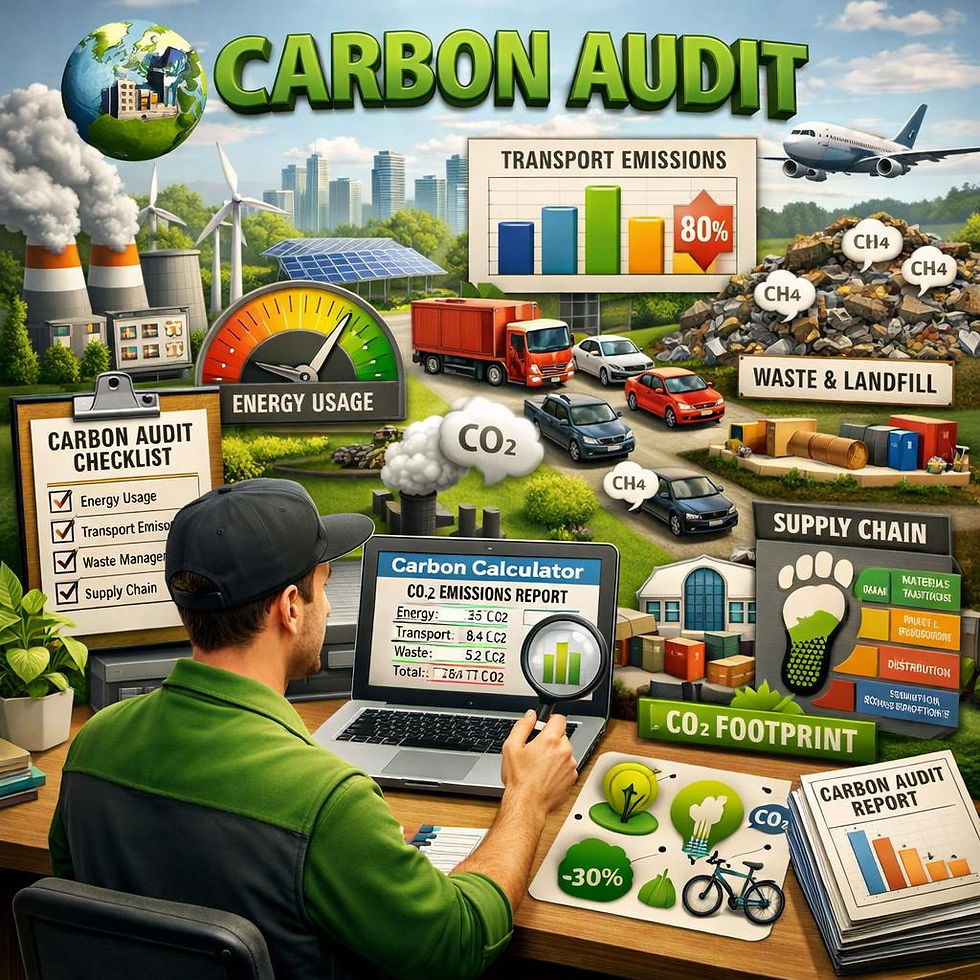
Plastic packaging and single-use items generate emissions not only in production but also in waste management. When waste breaks down in landfills, it can release methane, a potent greenhouse gas.
6. Transportation Habits
Driving short distances or relying heavily on cars—even for small errands—adds to emissions. Frequent flying is also a huge contributor, but even daily commutes matter.
Why the Hidden Carbon Footprint Matters
Because many of these emissions are indirect or invisible, it is easy to underestimate our true impact. Recognizing the hidden footprint helps us make smarter choices—whether it is streaming less, buying fewer clothes, or reducing food waste.
How to Reduce Your Hidden Carbon Footprint
Limit video streaming quality and time
Choose plant-based meals more often (Yes, yes, I know this is going to be a tough one)
Buy fewer, better-quality clothes
Turn off devices completely instead of standby
Reduce, reuse, and recycle packaging
Walk, bike, or use public transport whenever possible
The Bottom Line
The carbon footprint of everyday life is more than just what you see. It is a web of interconnected choices, habits, and systems. By uncovering and understanding these hidden emissions, we empower ourselves to make impactful, sustainable changes—one small step at a time.


Comments